
Back to Listing
The Real Horrors Facing the Waste Management Industry
Halloween is traditionally a time for frightening stories, but for those working in the waste management industry, some of the biggest concerns have very little to do with ghosts or horror films.
From the increasing risks associated with lithium batteries to rising operational costs, driver shortages and growing regulatory pressures, the industry faces a number of challenges that are becoming increasingly difficult to ignore.
At Sharp Skips, we've been operating in the waste management industry since 1983. Over those decades, we've witnessed significant changes in how waste is collected, processed and recycled.
While many of these developments have brought important improvements, they have also introduced new challenges for businesses across the sector.
This Halloween, we're highlighting five of the biggest concerns facing the waste management industry and why they matter to businesses and customers alike.
1. Lithium Batteries: A Growing Fire Risk
One of the most serious safety concerns facing waste management facilities is the incorrect disposal of lithium-ion batteries.
These batteries are found in a wide range of everyday products, including disposable vapes, mobile phones, power tools and other electronic devices.
When lithium batteries are placed into general waste or skips, they can become damaged during collection, transportation or processing.
If a battery is crushed, punctured or exposed to excessive heat, it can enter a process known as thermal runaway, potentially resulting in a serious fire.
For waste management facilities, the consequences can be significant.
Fires can endanger employees, damage expensive processing equipment, disrupt operations and require emergency services to attend.
At Sharp Skips, fire prevention is an important part of our daily operations. We have invested in safety procedures, detection systems and measures to help manage the risks associated with potentially hazardous materials.
However, prevention must begin before waste reaches our facility.
Lithium batteries should never be disposed of in general waste skips. They must be taken to an appropriate battery recycling or collection point.
Greater awareness and responsible disposal practices are essential to protecting the people and facilities responsible for managing our waste.
2. Rising Fuel Costs and the Impact on Waste Collection
Fuel is one of the most significant operational expenses for businesses operating fleets of heavy goods vehicles.
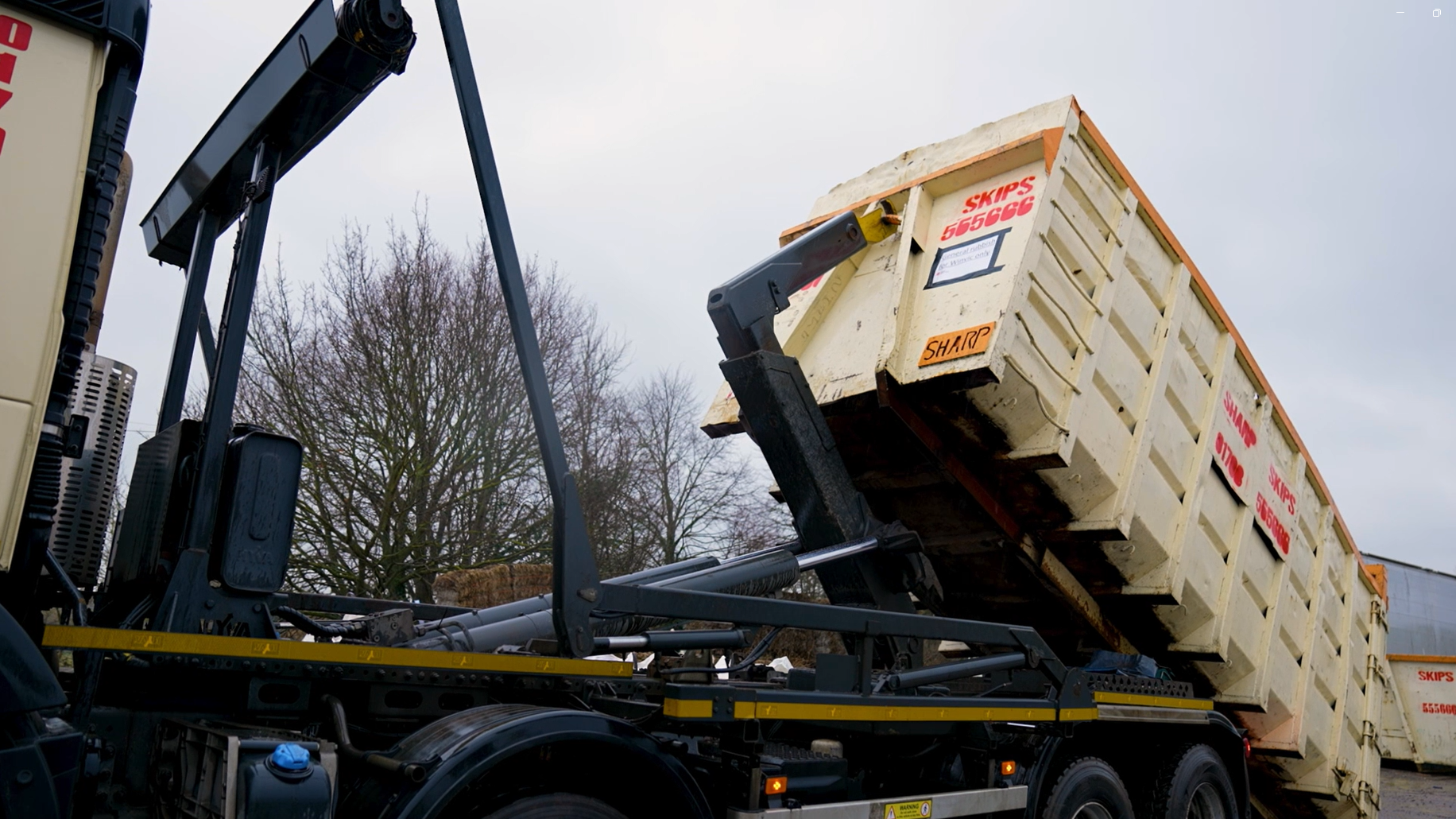
For waste management companies, vehicles are essential to delivering skips, collecting waste, transporting materials and maintaining reliable services for customers.
Even relatively small increases in fuel prices can have a substantial financial impact when applied across an entire fleet.
Unlike some industries, waste collection cannot simply move away from physical transportation. Vehicles must continue operating to meet customer demand and keep essential services running.
At the same time, businesses are under increasing pressure to improve efficiency, reduce emissions and invest in more sustainable operations.
These objectives are important, but achieving them requires continued investment.
For customers, it is worth recognising that the cost of hiring a skip involves far more than the delivery and collection of a container.
Behind every collection is a wider operation involving vehicles, drivers, processing facilities, equipment, maintenance and regulatory compliance.
As operating costs continue to fluctuate, maintaining competitive prices while delivering a reliable service remains an ongoing challenge for the industry.
3. The Future of HGV Drivers
Another major concern is the long-term availability of skilled heavy goods vehicle drivers.
HGV drivers play a fundamental role in the waste management industry, ensuring that waste can be collected, transported and delivered to processing facilities safely and efficiently.
However, attracting and retaining the next generation of drivers remains a challenge across the wider transport and logistics sectors.
Driving a heavy goods vehicle requires specialist training, qualifications and considerable responsibility.
Within waste management, drivers must also navigate busy construction sites, residential roads, restricted access points and challenging collection environments.
The role requires experience, professionalism and a strong understanding of safety procedures.
As experienced drivers approach retirement, businesses must consider how they will attract younger people into the profession.
This includes promoting driving as a long-term career, supporting training opportunities and recognising the important contribution drivers make to essential industries.
Without sufficient investment in the next generation of drivers, the industry could face increasing difficulties maintaining the collection services that businesses and households depend upon.
At Sharp Skips, we recognise the value of our drivers and the essential role they play in keeping our operations running.
4. The Risks Behind Unusually Cheap Waste Disposal
Price will always influence purchasing decisions, particularly for businesses managing ongoing waste disposal costs.
However, unusually low waste collection quotations should encourage customers to ask further questions.
Responsible waste management involves a number of significant costs, including transportation, staffing, sorting, processing, equipment, environmental controls and regulatory compliance.
Businesses operating responsibly must account for these expenses when pricing their services.
When a quotation appears considerably cheaper than others, it is important to understand what is included and how the waste will ultimately be managed.
Customers should establish whether their provider is appropriately authorised, where the waste will be taken and what documentation will be supplied.
Improper waste disposal can have serious environmental consequences and may also create legal and financial risks for those responsible for the waste.
Choosing a waste management company should involve more than comparing prices. Transparency, compliance and responsible processing are equally important.
At Sharp Skips, we encourage customers to understand what happens to their waste once it has been collected.
Our waste processing facilities and established procedures form an important part of the service we provide.
5. Increasing Regulations and the Cost of Compliance
The waste management industry continues to evolve as environmental standards, reporting requirements and regulatory expectations develop.
These changes are designed to improve accountability, encourage responsible waste management and support better environmental outcomes.
However, implementing new requirements often involves substantial investment.
Businesses may need to upgrade equipment, introduce new technology, improve reporting systems, provide additional training or adapt existing operational procedures.
For established waste management companies, these changes can affect multiple areas of the business simultaneously.
While the importance of improving environmental performance is widely recognised, the financial implications must also be considered.
Companies are expected to continue investing in their facilities and processes while maintaining efficient operations and competitive prices.
This creates an ongoing challenge: how can the industry continue improving standards without the costs of delivering those improvements being reflected in the services provided?
Long-term progress requires a realistic understanding of the investment necessary to operate responsibly.
The Biggest Challenge: Increasing Expectations Without Increasing Budgets
Perhaps the greatest challenge facing the waste management industry is balancing growing customer expectations with the rising cost of delivering those services.
Customers understandably want reliable collections, competitive prices, high recycling rates and responsible environmental practices.
These are all reasonable expectations and objectives that reputable waste management businesses work hard to achieve.
However, providing these services requires investment.
Higher recycling and recovery ambitions often depend on specialist equipment, trained employees, appropriate processing facilities and ongoing operational improvements.
Similarly, maintaining a reliable fleet requires investment in vehicles, servicing, fuel and skilled drivers.
Environmental compliance also comes with financial and administrative responsibilities.
The reality is that better waste management services and improved environmental outcomes cannot always be delivered without additional cost.
For the industry to continue progressing, there must be greater recognition of the infrastructure, expertise and resources involved in responsible waste management.
Looking Ahead: The Future of Waste Management
Despite these challenges, the waste management industry continues to play an essential role in supporting households, businesses, construction projects and the wider economy.
At Sharp Skips, we're proud to have been part of the industry for more than four decades.
Throughout that time, we have continued to develop our operations, invest in processing infrastructure and adapt to the changing demands of the sector.
We believe the future of waste management depends on continued investment, greater transparency, improved safety and a shared commitment to responsible waste handling.
It also requires customers, businesses, manufacturers and regulators to recognise their respective responsibilities.
From disposing of batteries correctly to choosing reputable waste management providers, decisions made throughout the waste chain can have a significant impact.
The challenges facing our industry are real, but so are the opportunities to improve how waste is managed for future generations.
Working Towards a More Responsible Waste Industry
This Halloween, the concerns facing the waste management industry may be more serious than the usual seasonal scares, but they are also important conversations worth having.
At Sharp Skips, we remain committed to providing reliable waste collection and responsible waste processing services across Essex, East London and Kent.
Whether you're a homeowner, contractor or business looking for a dependable waste management partner, our team is here to help.